
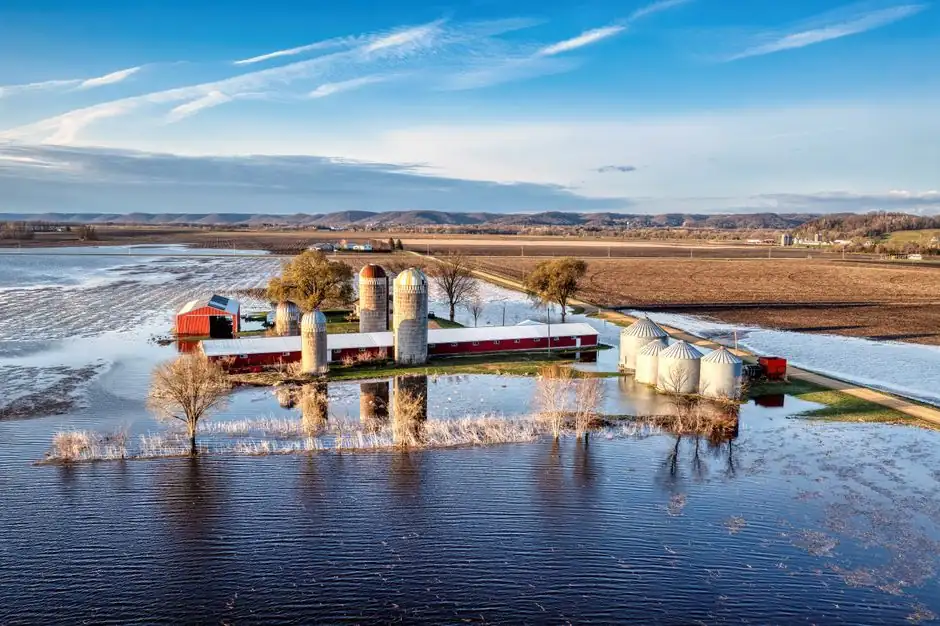
Heavy rain can lead to significant challenges for homeowners, especially when it comes to basement flooding. In Youngstown, many residents find themselves asking, why does my basement flood during heavy rain? The answer lies in various factors, including drainage issues, soil saturation, and the design of your home. This article will explore the common causes of basement flooding in Youngstown, how to prevent it, and what to do if your basement floods during a storm.
Understanding Basement Flooding
Basement flooding occurs when water enters your basement, often during heavy rain. This can lead to structural damage, mold growth, and other costly issues. In Youngstown, where rainfall can be significant, understanding the reasons behind this flooding is crucial for homeowners. Many factors contribute to basement flooding, including the age of your home, the condition of your drainage systems, and the landscape surrounding your property.
Common Causes of Basement Flooding
Several factors can lead to basement flooding during heavy rain in Youngstown:
- Clogged Gutters: When gutters are blocked, water cannot flow away from your home, leading to overflow and potential flooding.
- Improper Grading: If the land around your home slopes towards the foundation, rainwater can pool and seep into the basement.
- Foundation Cracks: Any cracks in your foundation can allow water to enter, especially during heavy downpours.
- Drainage System Failures: Issues with your sump pump or drainage system can lead to flooding if they are not functioning correctly.
- Soil Saturation: Heavy rain can saturate the soil around your home, increasing the likelihood of water entering your basement.
Addressing these issues promptly can help you avoid the common Youngstown basement flooding issues that many homeowners face.
How to Prevent Basement Flooding in Youngstown
Preventing basement flooding requires a proactive approach. Here are some effective strategies:
- Regular Gutter Maintenance: Clean your gutters at least twice a year to prevent clogs.
- Install Downspout Extensions: Ensure your downspouts direct water at least 6 feet away from your foundation.
- Check Your Grading: Ensure the ground slopes away from your home to facilitate proper drainage.
- Seal Foundation Cracks: Use waterproof sealants to fill any cracks in your foundation.
- Maintain Your Sump Pump: Regularly test and maintain your sump pump to ensure it works during heavy rain.
By implementing these preventive measures, you can significantly reduce the risk of flooding in your basement during heavy rain. Many homeowners in Youngstown have found success with drain snaking in Ohio to clear blockages that may contribute to flooding.
Emergency Solutions for Basement Flooding
If your basement does flood, quick action is essential. Here are steps to take:
- Turn Off Electricity: Ensure safety by turning off the electricity in the flooded area.
- Remove Water: Use a sump pump or wet/dry vacuum to remove standing water.
- Dry the Area: Open windows and use fans to help dry out the basement.
- Inspect for Damage: Check for structural damage and mold growth.
In case of severe flooding, it may be necessary to call for emergency drain cleaning in Ohio to address underlying issues quickly.
Common Mistakes to Avoid
Many homeowners make mistakes that can exacerbate flooding issues:
- Ignoring Maintenance: Neglecting regular maintenance of gutters and drainage systems can lead to severe problems.
- Delayed Repairs: Putting off repairs for cracks or drainage issues can worsen flooding.
- Overlooking Landscaping: Failing to assess how landscaping affects drainage can lead to flooding.
A proactive approach to maintenance can prevent many of these mistakes.
When to Call a Professional
Knowing when to call a professional is crucial. If you experience frequent flooding, or if the water damage is extensive, it's time to seek help. Professional services can provide video camera inspection in Ohio to identify hidden issues within your drainage system. Ohio Drain Cleaning Pros can help you assess the situation and recommend the best course of action.
Frequently Asked Questions
What causes basement flooding during heavy rain?
Basement flooding during heavy rain is often caused by clogged gutters, improper grading, foundation cracks, and soil saturation. These factors can lead to water pooling around your foundation and seeping into your basement.
How can I prevent my basement from flooding in Youngstown?
To prevent basement flooding, maintain your gutters, ensure proper grading, seal foundation cracks, and regularly check your sump pump. These steps can significantly reduce the risk of water entering your basement.
What should I do if my basement floods?
If your basement floods, turn off the electricity, remove standing water, and dry the area. Inspect for damage, and if necessary, call a professional for help.
How often should I check my sump pump?
It's advisable to check your sump pump at least twice a year. Testing it before heavy rain seasons can ensure it's functioning correctly when you need it most.
Can landscaping affect basement flooding?
Yes, landscaping can significantly affect drainage. Ensure that the land slopes away from your home to prevent water from pooling near the foundation.
Get help with Drain Cleaning in Youngstown
If you're dealing with basement flooding issues, don't hesitate to reach out. Ohio Drain Cleaning Pros can help you with effective solutions to prevent and address flooding. Call us today at (855) 751-2664 for assistance!